AI Video Generator
 AI Image to Video
 AI Text to Video
 AI Image Generator
 AI Image to Image
 AI Text to Image
 AI Video Generator
 AI Image Effects

 Bring your imagination to life with powerful Viyou AI tools.
 Contents
When you wake up from a dream that is full of science fiction and art, do you have a strong desire to record it?
For a long time, dreams have always been fleeting for humans. When we try to capture them with a paintbrush or describe them to friends, the surreal details often disappear within minutes.
But today in 2026, the boundary between the subconscious and reality is becoming blurred. Today, I will introduce you to a powerful AI tool - Viyou.AI. Through the perfect combination of the "text-to-image" and "image-to-video" tools, visualizing dreams is no longer a scene from a science fiction novel. You don't need to be a professional painter or a Hollywood special effects artist to easily depict your subconscious.
Here is the ultimate guide I bring for you, teaching you how to use Viyou.AI to "extract" dreams from your brain and transform them into stunning, high-quality visual art works.
👐 Dual-function combined use, presenting better results
If you try to directly input a complex and abstract dream into the AI video generator, the result is often very chaotic. Dreams usually contain extremely high-density details and a very unique atmosphere.
The secret to achieving perfect dream visualization lies in a two-step workflow:
Text-to-image (AI prompt): Capture the perfect, ultra-high-resolution single-frame image of the dream.
Image-to-video (AI dynamicization): Inject movie-level dynamic effects, depth, and the sense of time passing into this static image.
Let's break down the specific operation steps in detail.
The first step: Decode your subconscious (write the prompt)
At the moment you wake up, immediately open your memo app and write down everything you can remember. Focus your attention on colors, light, proportions, and emotions.
When converting the dream into an AI prompt, ordinary descriptive words are far from enough. You need to use more sensory-stimulating and cinematic language.
Dream prompt formula: [Core subject] + [Surreal/Abstract environment] + [Art/Movie style] + [Lighting and color combination]
❌️Poor prompt: "I dreamed of a whale in the sky."
✅️Excellent prompt words (for replicating application cases):
"A massive, ancient blue whale gracefully floating through glowing pink and lavender clouds. A tiny astronaut sitting on its back, looking at a distant galaxy. Surrealism. Studio Ghibli aesthetic. Cinematic lighting. Ethereal atmosphere. 8k resolution."
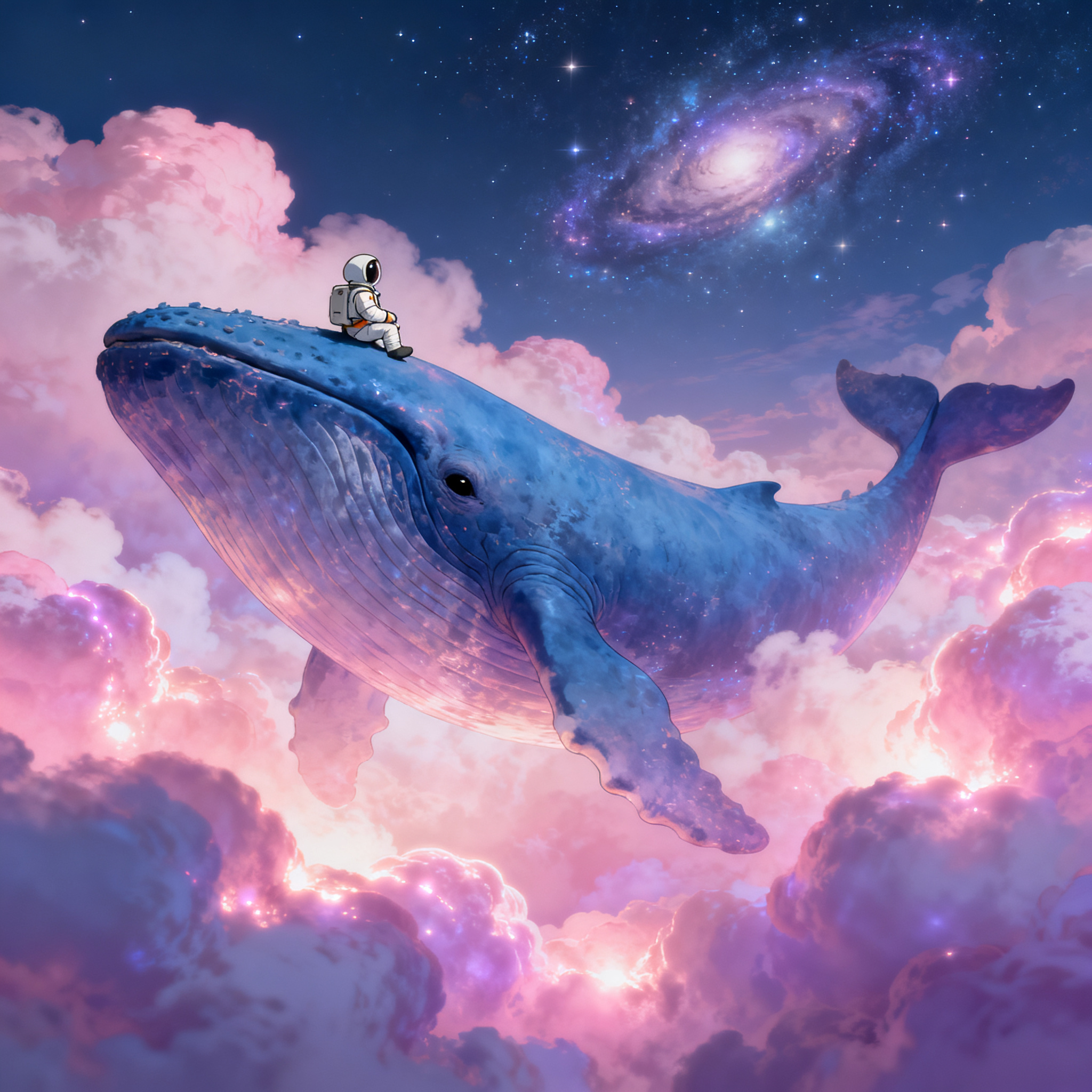
Input your formula into the text-to-image generation tool of Viyou.AI, conduct several experiments, generate several different versions, and keep trying until you find the image that amazes you and says "Exactly, this is exactly as I imagined it."
Step 2: Give the illusion life (image to video)
Once you have the most decisive "dream frame", you can use the Viyou.AI image-to-video tool to give it life.
1. Upload the generated dream image to the video AI tool.
2. Instead of writing a complex plot, just use prompts to guide the actions and movement of the shots.
3. Use directional keywords to guide the AI.
Applicable shots and dynamic prompts for dreams:
· “Slow-motion, the whale gently wags its tail, clouds slowly drifting past the camera, cinematic panning shot.”
· “Ethereal time-lapse, stars twinkling in the background, neon lights subtly pulsing.”
Three excellent ways to bring AI dream art to life
After you render your dreams into high-quality images and 45 to 10-second video clips, what can you do with them?
1. Create a digital dream diary
Say goodbye to the boring plain-text diaries. You can set up a dedicated Instagram account, TikTok account, or personal blog to archive your dreams in chronological order. Watching your subconscious unfold like movie clips in a playlist not only feels wonderful for yourself but is also highly attractive to the audience.
2. Break through creative blocks
You are a writer, musician, or designer? Consider these visualized dreams as your concept art. Many screenwriters, when presenting sci-fi or fantasy scripts to producers, use AI-rendered dreams to showcase visual concepts because it can capture the peculiar atmosphere that words simply cannot describe.
3. High-concept mobile and computer dynamic wallpapers
Nothing is cooler than turning the scenes directly from your brain into mobile dynamic wallpapers.
👉Conclusion: The future of thinking
We are still in the early stages of the "human brain to machine" technology. Although we cannot insert a wire directly into the temple to record our sleep images, the combination of human memory and AI creativity is already the closest thing we can reach to the "subconscious camera" at present.
The next time you wake up from a cold sweat or wake up with the shock of midnight fantasies, don't let it slip away. Start your AI tools, write the prompt words, and show the world what your world is like when you close your eyes.