AI Video Generator
 AI Image to Video
 AI Text to Video
 AI Image Generator
 AI Image to Image
 AI Text to Image
 AI Video Generator
 AI Image Effects

 Bring your imagination to life with powerful Viyou AI tools.
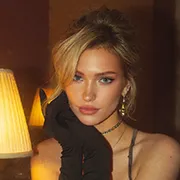
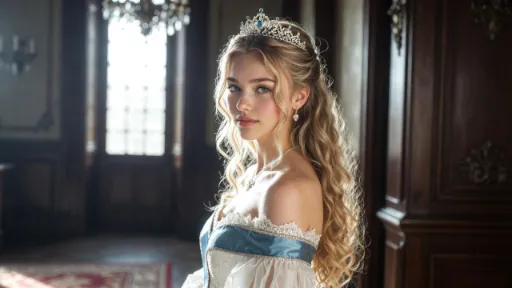
Nowadays, AI short dramas have become a mainstream track on short-video platforms. With low costs and high efficiency, they have attracted massive creators. However, most AI short dramas suffer from obvious artificial flaws: generic internet celebrity faces, plastic-looking skin, stiff facial expressions, and characters that look detached from the background.
Many new creators believe that realistic portraits rely on complicated prompts and repeated random generation, which is time-consuming and ineffective. In fact, realistic AI portraits depend on detailed refinement and scene alignment. This article shares a practical, ready-to-use workflow to create natural, distinctive, and immersive portrait characters for AI short dramas.

🎀Why AI Portraits Look Fake (4 Core Issues)
Ninety percent of unnatural AI faces stem from these four problems:
- Homogeneous facial features: AI tends to generate flawless, template-like internet celebrity faces with unique characteristics, resulting in generic faces with no memorable traits.
- Unrealistic skin texture: Over-smoothing, zero pores, and flat skin tones create plastic-like skin without natural human texture details.
- Rigid dynamic expressions: Empty eyes, single emotions, and mechanical movements lack the relaxed, layered micro-expressions of real actors.
- Inconsistent lighting and environment: Character brightness and tones do not match the scene. Misaligned lighting makes characters look pasted into the footage and visually disjointed.

Character Styling: Get Rid of Template Faces
Realism comes from unique features and role consistency, not exaggerated perfection. Two practical methods:
- Reference facial fusion: Avoid pure text generation. Combine features from 2–3 natural real-human reference images. Keep minor natural imperfections such as slight facial asymmetry and soft jawlines to avoid rigid, over-polished internet celebrity aesthetics.
- Role-based customization: Design facial features according to the character’s age, personality, and identity. Gentle heroines have soft facial contours; villains have defined brow shadows and sharp eye shapes; elders have fine lines and subtle texture to match their role setting.
📚Texture Refinement: Turn Plastic Faces Into Realistic Portraits
After confirming facial features, optimize skin quality, lighting, and details to eliminate artificiality:
- Preserve natural skin details: Enable skin texture and pore details, and reduce excessive skin smoothing and whitening. Adjust according to scenes: retain natural texture for daily shots, proper transparency for outdoor scenes, and subtle dimness for night scenes. Slight redness and uneven skin tones make characters more vivid.
- Environment-first lighting: Match character lighting to the environment. Soften overexposure and retain natural shadows for daytime scenes; apply warm tones for indoor lighting; lower overall brightness and keep eye highlights for night footage. Add subtle depth of field to focus on the face and simulate real shooting lens effects.
- Lifelike micro-details: Delicately render natural hair strands, faint under-eye circles, natural lip lines, and subtle skin states. Avoid overly refined, stiff details to restore real human relaxation.

🍀Dynamic Optimization: Fix Stiff AI Acting
Short dramas rely on natural motion. Static beauty is not enough — dynamic emotion and micro-movements are essential:
- Layered emotions instead of rigid expressions: Adjust facial states according to lines and plots. Sorrow features drooping eyes; anger shows sharp eye focus; tenderness presents relaxed facial muscles, creating layered and plot-conforming emotions.
- Natural micro-movements: Reduce exaggerated body movements. Add subtle blinking, slight head movement, and breathing fluctuations to simulate real human speaking states and eliminate rigid stillness.
🌸Common Mistakes to Avoid
- Blindly pursuing perfect facial features and ultra-white polished skin — excessive perfection leads to artificiality.
- Only retouching portraits without adjusting scene lighting and tones, causing visual detachment.
- Applying a unified template to all roles, resulting in zero character recognition.
- Using real people’s portraits without authorization, which carries serious copyright risks. Always use original fusion generation.
💫Conclusion
The core of realistic AI portrait creation is not extreme perfection, but authenticity, role matching, and scene integration.
Instead of stacking prompts and inefficient random generation, focus on four key points: unique facial features, natural skin texture, matched lighting, and layered dynamic emotions. In the highly homogenized AI short drama industry, authentic and textured character visuals are the core competitive advantage for individual creators.