Générateur de vidéo IA
 IA Image vers vidéo
 IA Texte vers vidéo
 Générateur d'images IA
 IA Image vers image
 IA Texte vers image
 AI Video Effects
 AI Image Effects

 Donnez vie à votre imagination avec les puissants outils Viyou AI.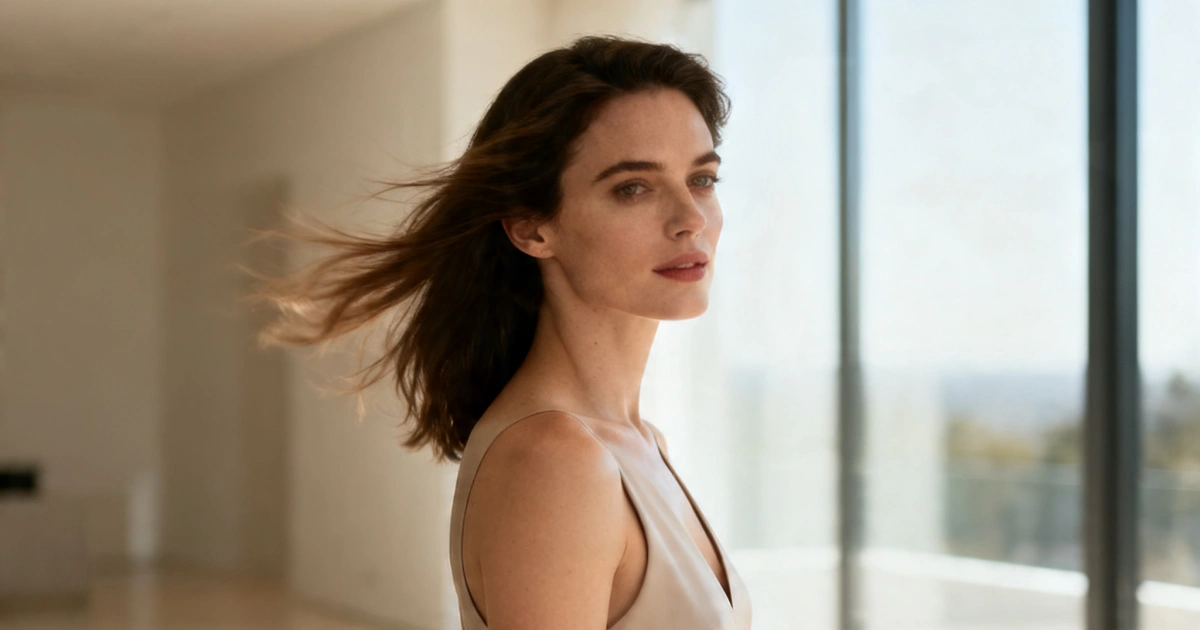
 Contenu
For the past year, most AI video tools have had the same problem:
They look impressive in demos…
but fall apart when you actually try to use them for content.
Clips feel stiff.
Faces drift.
Motion looks fake.
So when we started testing LTX-2, the question wasn’t
“does it look cool?” — it was:
Can you actually use this to make real content, fast?
Short answer: yes — and that’s why we’re rolling it out on Viyou AI
What LTX-2 Actually Does Better (From Real Use)
Let’s skip the buzzwords. Here’s what stood out in practice.
otion finally looks intentional
Most models generate “movement,” but it’s not directed. It just… happens.
With LTX-2, motion feels more like something you asked for:
- push-ins feel smooth instead of jumpy
- tracking shots don’t break halfway
- scenes have a sense of flow
You can actually describe a shot and get something close to it.
That alone saves a lot of retries.
It follows prompts without overcomplicating things
With some models, you end up writing a paragraph just to get a usable clip.
LTX-2 is more forgiving.
You can write something simple like:
A woman standing by a window, soft daylight, camera slowly pushing in, subtle hair movement
…and it gets the idea.
You’re not fighting the model as much, which makes iteration faster.
Character consistency is noticeably better
This is a big one.
If you’ve tried making multiple clips with the same character, you know the pain:
- face changes slightly
- vibe shifts
- it stops feeling like the same person
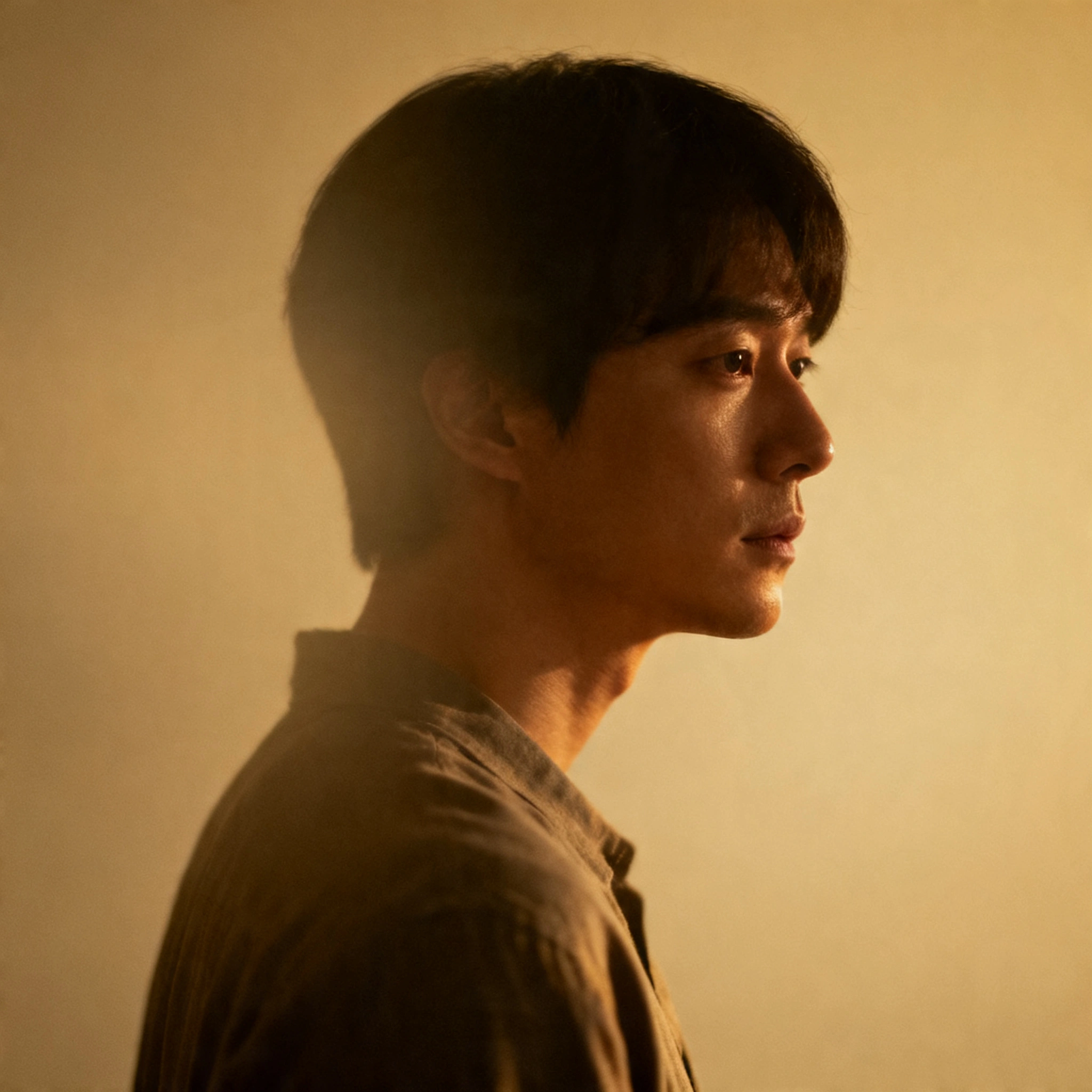
LTX-2 isn’t perfect, but it’s more stable across generations, especially when you start from an image.
That makes it way more usable for:
- AI influencers
- short-form series
- ad variations
It’s actually fast enough to experiment
Speed matters more than people admit.
If generation takes too long, you stop testing ideas.
LTX-2 feels fast enough that you can:
- try multiple hooks
- test different motions
- iterate without overthinking
That’s what makes it practical for marketing use, not just demos.

Where LTX-2 Is Actually Useful
This isn’t a “do everything” model. But in a few areas, it’s genuinely strong.
1. Short-form content (TikTok / Reels)
The sweet spot right now:
- simple scenes
- clear motion
- strong first 3 seconds
Think:
- selfie-style clips
- lifestyle moments
- light storytelling
2. Ad creatives (especially UGC-style)
Polished ads are getting ignored.
What works now looks more like:
- handheld footage
- slightly imperfect framing
- real reactions
LTX-2 handles that style surprisingly well.
3. Simple cinematic shots
You’re not making a full film here.
But for:
- push-in portraits
- product shots with motion
- moody scenes
…it delivers something that feels intentional, not random.
How We’re Using It on Viyou AI
The workflow that’s working best is pretty simple:
1. Start with an image (if consistency matters)
If you care about identity:
- generate or upload a base image
- lock in the character
2. Add motion with LTX-2
Instead of rewriting everything, just focus on:
- camera movement
- small actions
- mood
Example:
Same character, walking forward in a city street, natural daylight, camera tracking smoothly, slight handheld feel
3. Generate variations (this is where the value is)
Don’t aim for one perfect clip.
Generate:
- 5 hooks
- 3 motion styles
- 2 lighting variations
That’s how you find something usable.
A Few Prompts That Actually Work Well
Nothing fancy — just patterns we’ve seen working.
1. Simple cinematic push-in
A woman standing near a window, soft natural light, subtle hair movement, the camera slowly pushes in, shallow depth of field, calm and cinematic
2. TikTok-style selfie clip
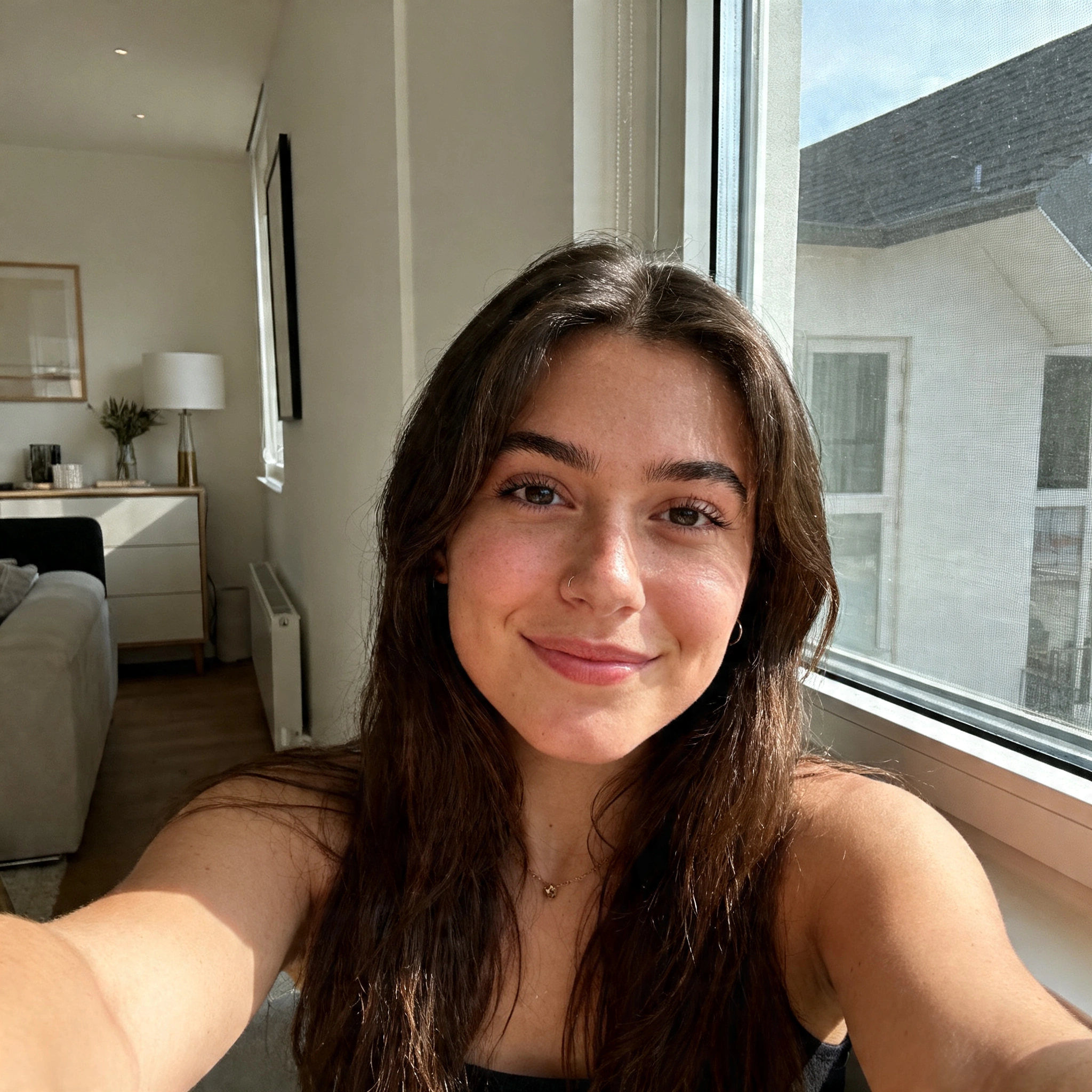
A young woman recording a casual selfie video, handheld phone camera, slight shake, natural lighting, candid expression, relaxed and real
3. Product-style motion shot
A perfume bottle on a reflective surface, soft studio lighting, light mist in the background, the camera slowly rotates around the product, clean and minimal
What It’s Not (Yet)
Worth being honest here.
LTX-2 is not:
- a full storytelling engine
- perfect at complex multi-character scenes
- 100% consistent across long sequences
But for short-form, fast iteration, and usable clips?
👉 It’s one of the more practical models right now.
Why This Matters
AI video is shifting from:
“this looks cool”
to
“can I actually use this for content or ads?”
LTX-2 is one of the first models that starts to answer that second question properly.
Try LTX-2 on Viyou AI
If you’re making:
- short-form content
- ad creatives
- repeatable video workflows
…it’s worth testing.
👉 You can try LTX-2 now directly on Viyou AI and see how far you can push it.