AI Video Generator
 AI Image to Video
 AI Text to Video
 AI Image Generator
 AI Image to Image
 AI Text to Image
 AI Video Generator
 AI Image Effects

 Bring your imagination to life with powerful Viyou AI tools.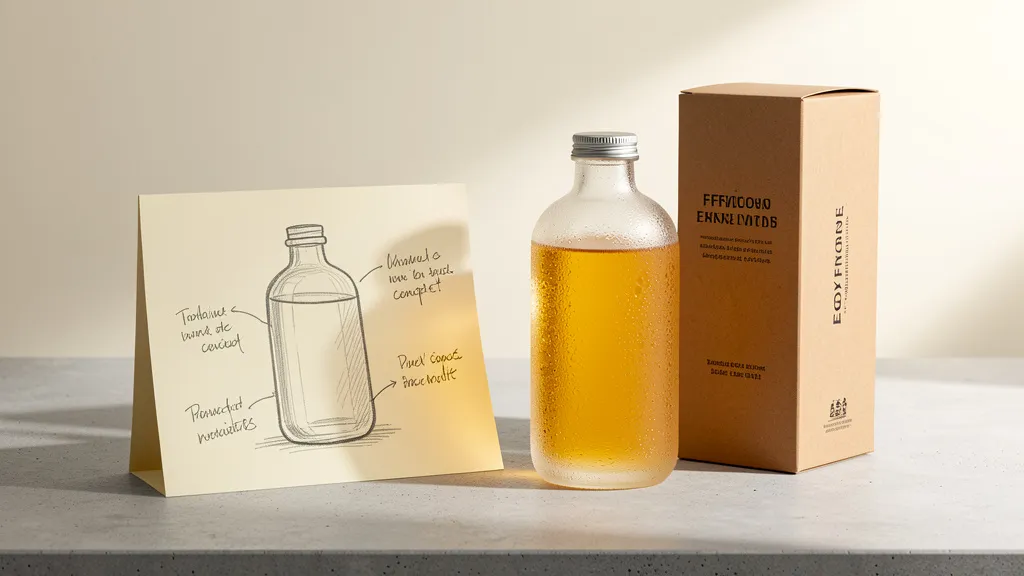
 Contents
You have a groundbreaking product idea. You've sketched it, described it, and believe in it. But there's a chasm between that vision and convincing others—whether they are investors, early customers, or even your own team. How do you show what doesn't physically exist yet?
Traditional product visualization is a bottleneck. 3D modeling is expensive and slow. Physical prototyping costs thousands and takes weeks. This often forces entrepreneurs to make blind leaps of faith or launch with packaging that doesn't do their product justice.
This guide is your bridge across that chasm. We'll use Viyou AI's image generator as your instant prototyping studio and photoshoot crew, transforming text descriptions into photorealistic product visuals and packaging concepts. This isn't about generating abstract art; it's about creating strategic visual assets for decision-making, marketing, and manufacturing.
Who This Is For & The Strategic Advantage
- Entrepreneurs & Startups: Validate a product concept before spending a dollar on tooling. Create stunning visuals for your crowdfunding campaign (Kickstarter, Indiegogo) that build trust and drive pre-orders.
- E-commerce & DTC Brands: Generate a limitless variety of product shots for your website—different colors, contexts, and lifestyles—without costly photoshoots for every variant.
- Product Designers & Developers: Rapidly iterate on packaging design options. Present 3-5 fully-realized concepts to clients or stakeholders in hours, not weeks.
- Small-Batch Producers & Makers: Create professional-grade marketing imagery for your handmade goods, making them look at home in high-end boutiques.
The Core Formula: The "Product Photoshoot" Prompt
To generate a convincing product image, you must direct the AI like a seasoned product photographer and stylist. This five-part formula covers every critical detail.
“Product Definition + Packaging Style + Material & Finish + Scene & Context + Professional Rendering”
Your Go-To Prompt Blueprint:
A photorealistic studio image of a [specific product] inside/with its [packaging type]. The packaging design follows a [style adjective] and [style adjective] style, using [brand color] as the primary color with accents of [accent color]. The materials are [material 1] and [material 2], with a [finish, e.g., matte, gloss] finish. The product is presented in a [specific scene] context, with props like [prop 1] and [prop 2]. The lighting is [lighting type], creating a sense of [mood]. Shot with a [camera/lens type], shallow depth of field, hyper-detailed.
3 Ready-to-Use “Product Visualization” Prompts
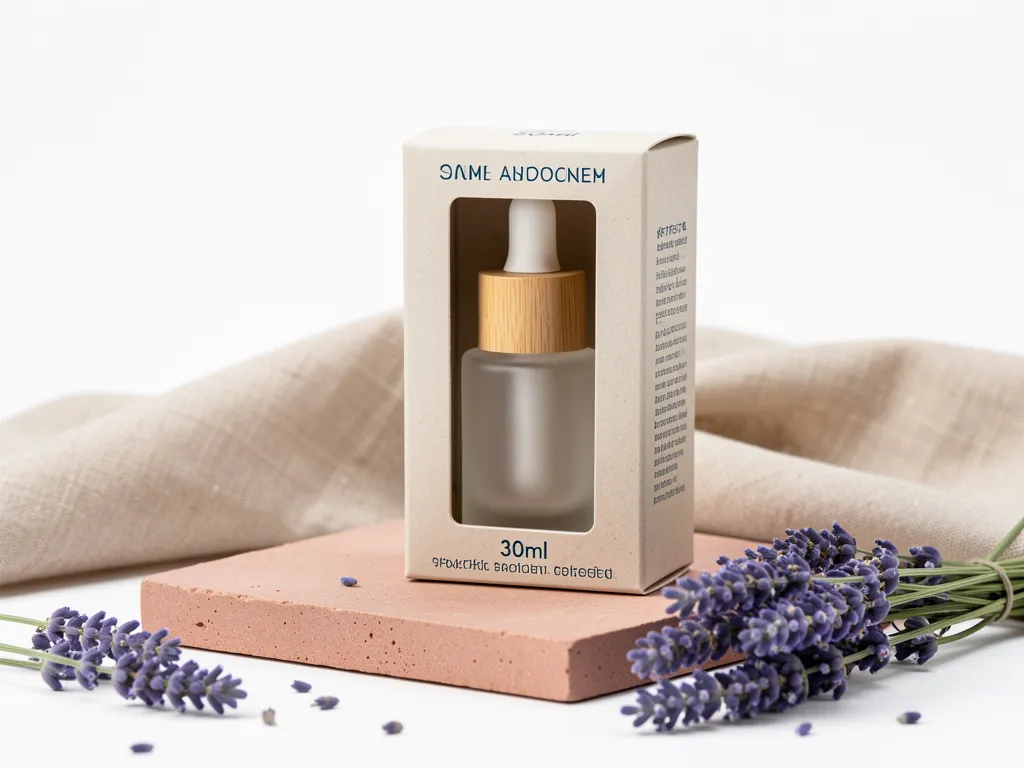
1. The DTC Wellness Product Launch
- The Goal: To create a clean, aspirational hero image for a direct-to-consumer brand's website and social media, emphasizing purity and modern science.
- Why it works: It defines a specific bottle type and cap, mandates a minimalist style that conveys trust, specifies luxury materials (frosted glass, bamboo), sets a clinical yet serene scene, and demands a specific photographic quality.
- Your Prompt:
A photorealistic studio image of a 30ml serum bottle with a dropper inside its retail box. The packaging design is minimalist and apothecary-inspired, using #F7F5F6 (off-white) as the primary color with accents of #3A6B7E (deep teal). The bottle is frosted glass with a matte bamboo cap. The box is thick, uncoated recycled cardstock. The product is centered on a pale marble slab, with scattered dried lavender and a simple linen cloth in the background. The lighting is bright, soft, and diffused, creating a sense of purity and calm. Shot with a macro lens, shallow depth of field, hyper-detailed, commercial product photography.
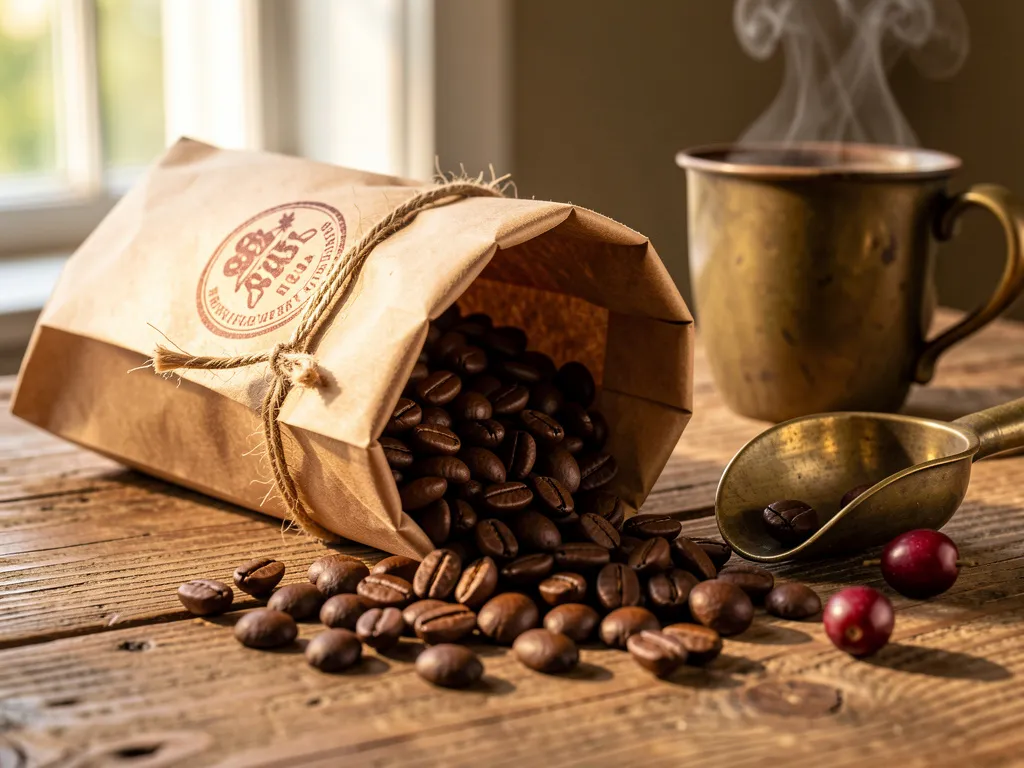
2. The Craft Food Product for E-commerce
- The Goal: To generate an image that makes an artisanal food product look irresistible, authentic, and worthy of a premium price, optimized for an online store.
- Why it works: It focuses on the product's texture (gourmet, rustic), dictates hands-on styling to imply freshness, uses natural materials (kraft paper, twine), creates a warm "farm-to-table" scene, and calls for the type of vibrant, sharp photography used by top food brands.
- Your Prompt:
A photorealistic image of gourmet coffee beans spilling from a brown kraft paper bag onto a weathered oak table. The packaging is rustic and handcrafted, featuring a custom stamp logo in #8B4513 (saddle brown) on natural kraft paper, sealed with hemp twine. The materials are coarse paper and raw wood. The scene includes a vintage brass scoop, a few whole coffee cherries, and a faint steam rising from a mug in the background. The lighting is warm morning light from a window, creating a sense of authenticity and richness. Shot with a 50mm lens, shallow depth of field, vibrant colors, food photography style.
3. The Tech Hardware Pre-launch Teaser
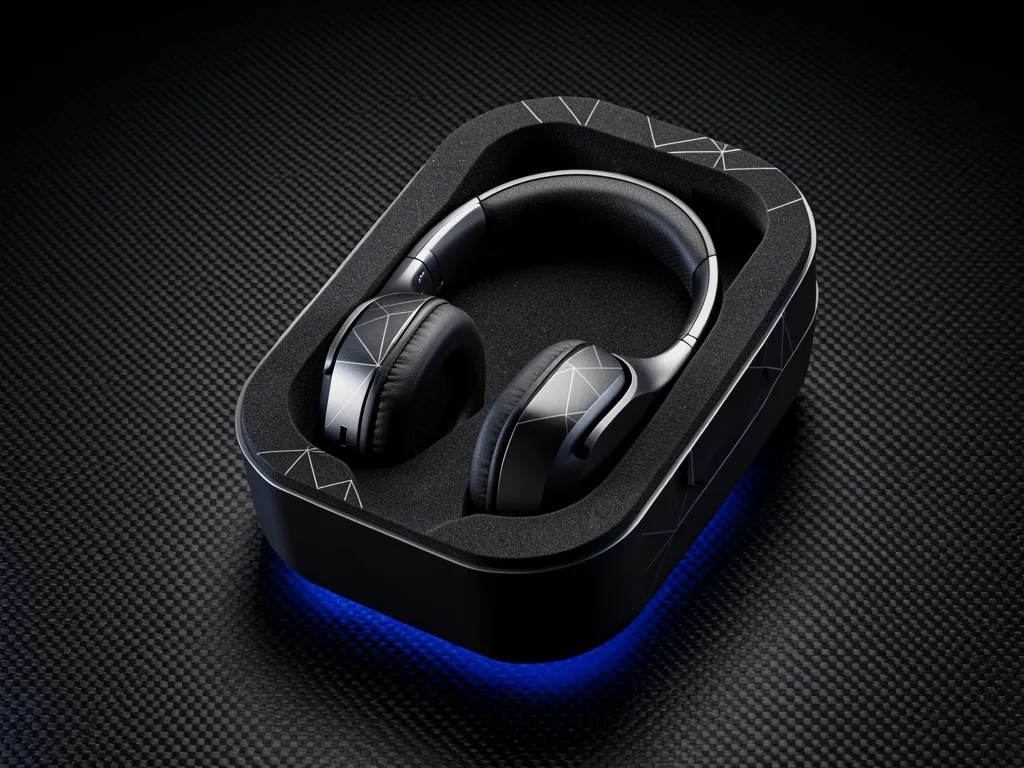
- The Goal: To produce a sleek, futuristic visual for a tech gadget to build hype on social media or in investor decks, focusing on premium build quality.
- Why it works: It describes a precise product category and packaging style, mandates a tech-appropriate color palette and materials (anodized aluminum, foam), sets a dynamic, dark scene to make the product "pop," and requires a specific, high-tech rendering style (CGI) for that flawless look.
- Your Prompt:
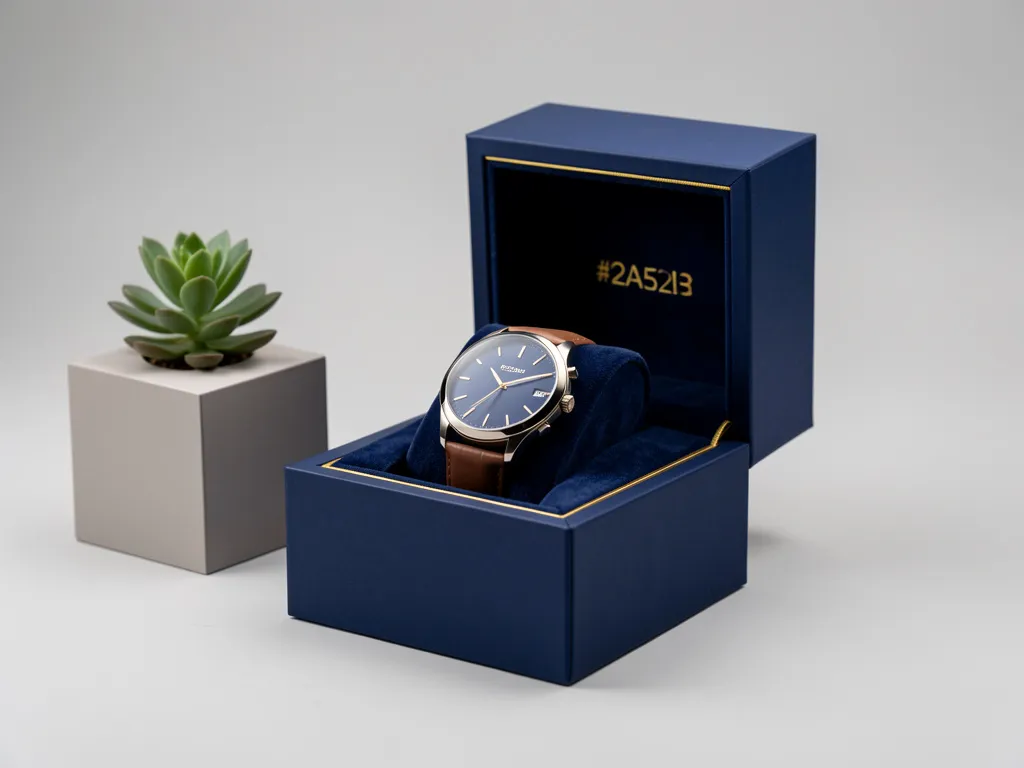
A photorealistic CGI render of a wireless noise-canceling headphones in their molded hard case. The packaging is sleek and tech-forward, using a #0D0D0D (true black) case with a subtle geometric pattern etched in #C0C0C0 (silver). The materials are anodized aluminum and precision-molded foam. The product is displayed at an angle on a dark, textured carbon fiber surface, with subtle volumetric blue accent lighting from below. The lighting is dramatic and directional, creating a sense of cutting-edge innovation and premium quality. Rendered in Octane, hyper-detailed, with perfect reflections.
From AI Concept to Manufacturing Reality: The Professional Workflow
1. For Marketing & Pre-sales: The AI-generated image can be the final asset. Use it directly on your landing page, in social ads, or in your crowdfunding campaign. It provides a compelling "preview" of the final product.
2. For Design & Manufacturing: The AI image is a visual specification sheet. Provide it to your packaging designer and manufacturer alongside:
· Technical Drawings: Precise dimensions (in millimeters) for the box, bottle, or container.
· Print Specifications: Provide Pantone (PMS) or CMYK color codes for exact color matching, and specify print finishes (spot UV, foil stamping, embossing) indicated in your prompt (e.g., "matte laminate").
· Material Samples: If you described "uncoated recycled cardstock," source a physical sample to confirm with your supplier.
3. Iterate Cheaply, Commit Confidently: Use AI to answer "what if" questions at zero cost. "What if the box was navy blue instead of black?" "What if we used a cork stopper instead of a cap?" Generate 5 options in an hour, gather feedback, and only then proceed to costly physical samples.
Related Blogs
The Bottom Line
Product development no longer needs to be a black box. AI visualization turns the once-opaque journey from concept to market into a transparent, iterative, and far less risky process. You move from describing your product to demonstrating it.
You gain the power to build excitement, validate decisions, and articulate your vision with absolute clarity—all before a single unit is ever made. This is not just creating a picture; it's de-risking your entire launch.
Your product's first perfect photo already exists in your imagination. Use these prompts to pull it into the world and start building the perception that will drive its success.