AI Video Generator
 AI Image to Video
 AI Text to Video
 AI Image Generator
 AI Image to Image
 AI Text to Image
 AI Video Generator
 AI Image Effects

 Bring your imagination to life with powerful Viyou AI tools.
 Contents
Stuck at the most thrilling yet frustrating stage of building your brand? You can feel the vibe, the personality, the “why” — but turning that intangible essence into a unique, trademarkable visual symbol leaves you staring at a blank page.
Hiring a designer feels like a big leap for an unproven idea. DIY tools leave you with something that looks, well, DIY. What you need isn't an expensive final product, but a cost-effective way to explore limitless possibilities and find your direction. This is where AI shines.
This guide provides a concrete framework and ready-to-use “prompt recipes” to bridge the gap between abstract idea and concrete symbol. You'll learn to generate a set of high-quality logo concepts to clarify your vision, align your team, and create an indisputable visual brief for a professional designer with Viyou AI' image generator
The Core Formula: Briefing AI Like a Creative Director
An effective logo prompt isn't “draw a cool symbol.” It requires structured input to guide the AI toward your brand's soul. Use this four-part formula:
“Core Concept + Style Direction + Graphic Cue + Professional Presentation”
Let's break it down:
- Core Concept: Define the brand heart with 1-2 keywords (e.g., sustainable, innovative, warm, precision).
- Style Direction: Specify the visual style (e.g., minimalist, geometric, hand-drawn, vintage, futuristic).
- Graphic Cue: Provide an associative visual clue (e.g., mountain peak, fusion, sprout, bridge, animal symbol).
- Professional Presentation: Mandate a polished output format (e.g., monochrome vector, on white background, emblem style).
Complete Prompt Formula:
Design a brand mark representing [Core Concept], in a [Style Direction] style. The graphic should draw inspiration from [Graphic Cue], presented as a [Professional Presentation]. The mark must be simple, memorable, and scalable.
Three Style Directions & Ready-to-Use Prompts
Jumpstart your exploration with these three refined directions. Copy, paste, and customize the bracketed sections.
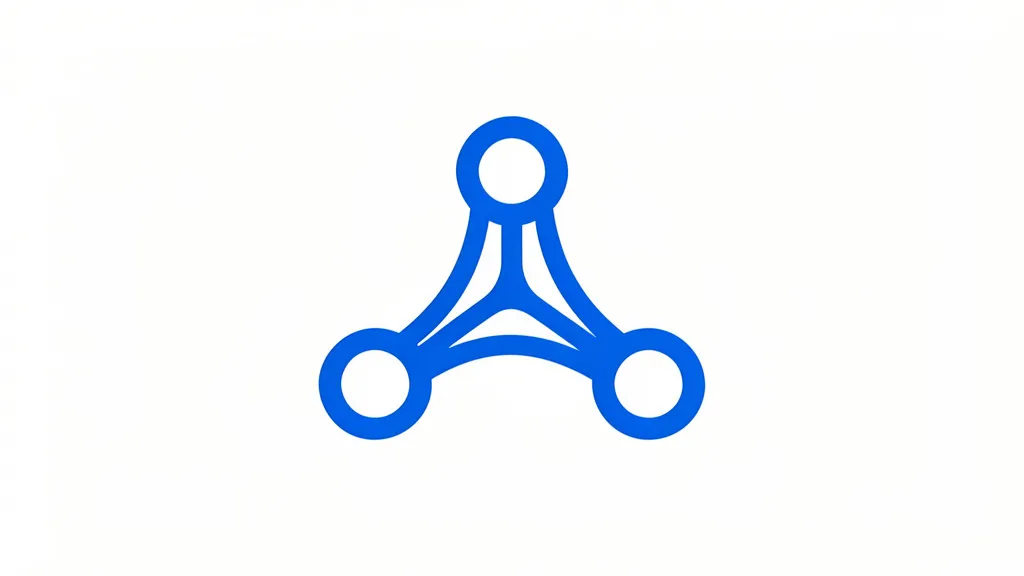
1. Modern & Minimal (for Tech, Consulting, Lifestyle)
- The Goal: Maximum meaning from minimum elements. Clarity, order, abstract beauty.
- Your Prompt:
Design a brand mark representing "clarity and connection" for a tech consultancy. Use a minimalist, geometric style. The graphic should be an abstract form inspired by "interlocking nodes or converging pathways." Render it as a crisp, single-color vector graphic on a pure white background. The final mark should feel precise, forward-thinking, and optically balanced.
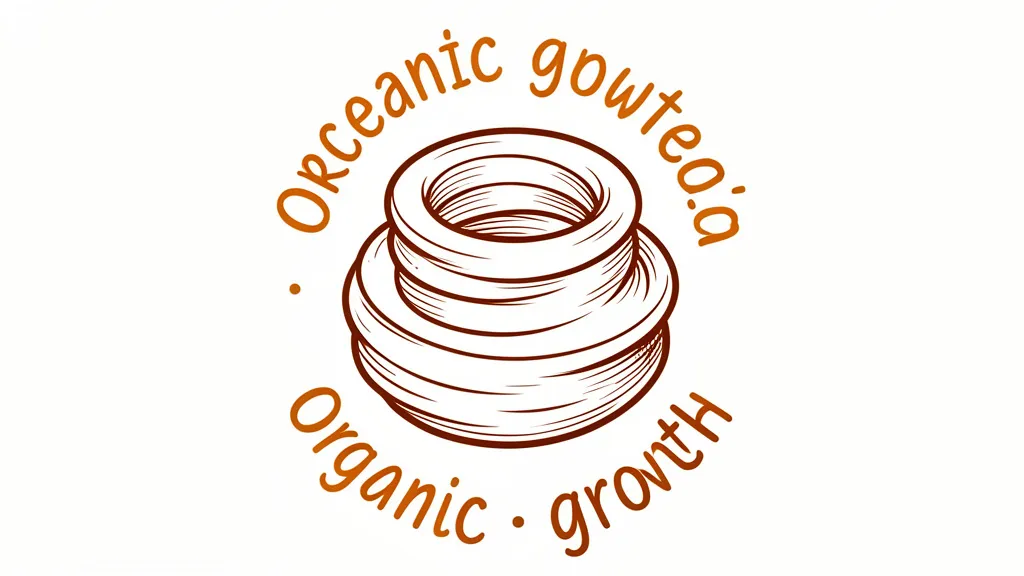
2. Hand-Drawn & Human (for Cafés, Crafts, Studios)
- The Goal: Convey warmth, artistry, and organic appeal.
- Your Prompt:
Design a logo for an independent pottery studio embodying "organic growth." Use a warm, confident hand-drawn illustration style with varying line weights. The graphic should be a stylized "coiled clay form or a gentle leaf." Present it as a clean line drawing or filled shape. The mark should feel unique, friendly, and full of life.
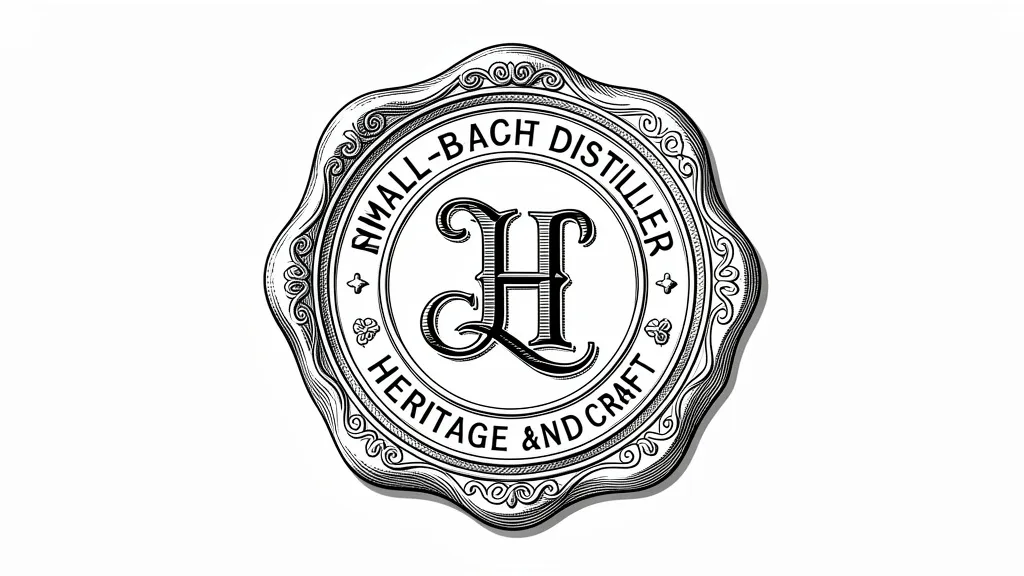
3. Vintage & Classic (for Craft Beverages, Grooming, Apparel)
- The Goal: Establish trust, heritage, and artisanal value.
- Your Prompt:
Design an emblem logo for a small-batch whiskey distiller representing "heritage and craft." Use a classic, engraved badge style reminiscent of a wax seal or crest. Incorporate decorative borders and a stylized serif monogram. Present it as a detailed monochrome line art piece, emphasizing depth and authority.
Pro Tier: The “Designer Brief” Prompt for Refined Results
To push AI beyond basic concepts and toward “portfolio-ready” ideas, structure your prompt like a detailed creative brief. Add layers of material hints, detailed constraints, and compositional principles.
Advanced Prompt Structure:
Design a primary logo for a [Your Industry] brand called [Brand Name], conveying [Core Concept 1] and [Core Concept 2]. The style should fuse [Style 1] with the material feel of [Material, e.g., polished stone, etched metal]. The central graphic must be an abstract interpretation of [Graphic Cue]. The composition should use [Principle, e.g., symmetrical balance, clever negative space] with [Detail, e.g., razor-sharp edges, subtle texture]. Show two professional mockups: 1) The isolated symbol on a dark background. 2) The lockup with a tailored, modern sans-serif wordmark on a light textured background, simulating a letterpress effect.
Advanced Style Examples:
- Luxury Minimalist:
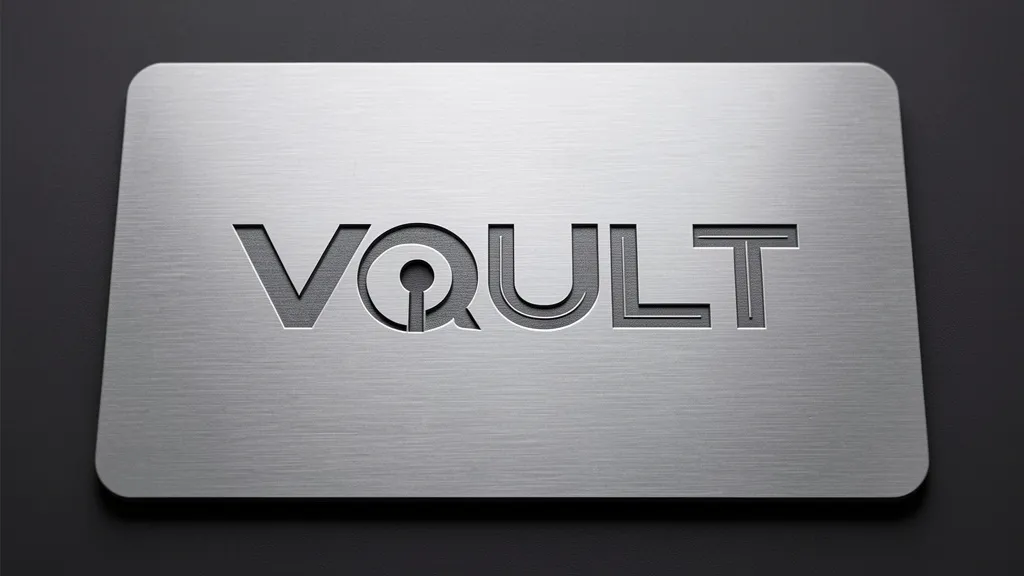
Design a wordmark for a cyber-security firm called "Vault." Convey "ultra-secure and sleek." Use a heavily customised, geometric sans-serif font. Give the letterforms the visual weight and precision of "solid titanium," with subtle incised details. The typography must be monolithic, tightly kerned, and use a perfectly circular 'O' as a negative-space keyhole. Mock it up etched onto an anodized aluminum card.
- Detailed Emblem:
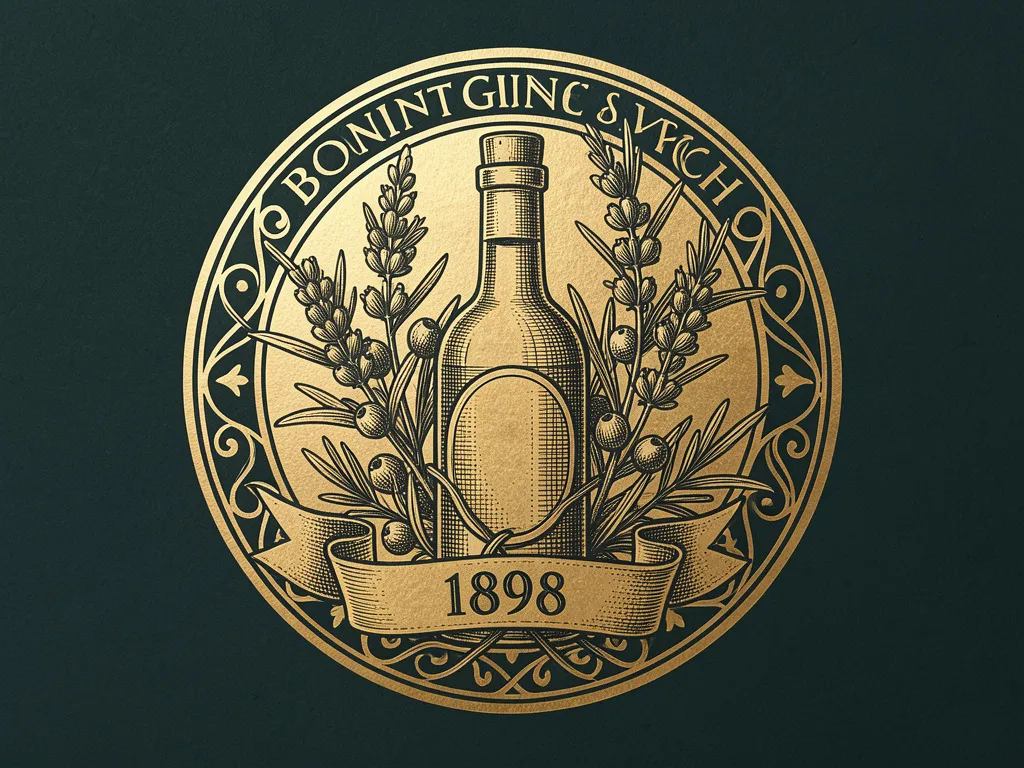
Design a vintage emblem for a botanical gin brand. The style should be intricate "copperplate engraving" meets "Art Nouveau" flora. The circular badge must contain a detailed illustration of [Botanical 1] and [Botanical 2] entwined around a classic bottle shape. Include a ribbon banner with the founding year "1898." Render it as rich, monochrome line art with exquisite cross-hatching for shadow. Show it stamped in gold foil on a dark green label.
From AI Concept to Final Asset: Your Action Plan
- Refine with Image-to-Image: Feed your best AI concept back into the tool. Use a new prompt to refine details: “Keep this exact symbol shape, but render the lines with a finer, ‘engraved’ texture and place it on a slate grey background.”
- Build a Visual Brief for Your Designer: Create a mood board. Include your final AI concepts, plus screenshots of specific details you love (a curve, a texture). Add the exact prompts you used. This gives a designer crystal-clear direction on your taste.
- Specify Professional Deliverables: When you hire a designer, state: “Please vectorize and refine this concept. Deliverables must include the final logo in .AI/.EPS format, with a full style guide covering primary/submarks, color palette (PMS, CMYK, RGB, HEX), clearspace rules, and approved lockups with our wordmark.”
Related Blogs
Product Packaging & Concept Mockups
Final Word:
You are no longer just guessing. By using this precise “design language,” you're becoming the creative director—defining the problem, evaluating solutions, and making the call. Your first professional-grade brand symbol is waiting to be discovered. Start prompting.