Generador de Video AI
 AI Imagen a Video
 AI Texto a Video
 Generador de Imágenes AI
 AI Imagen a Imagen
 AI Texto a Imagen
 AI Video Effects
 AI Image Effects

 Da vida a tu imaginación con las potentes herramientas de Viyou AI.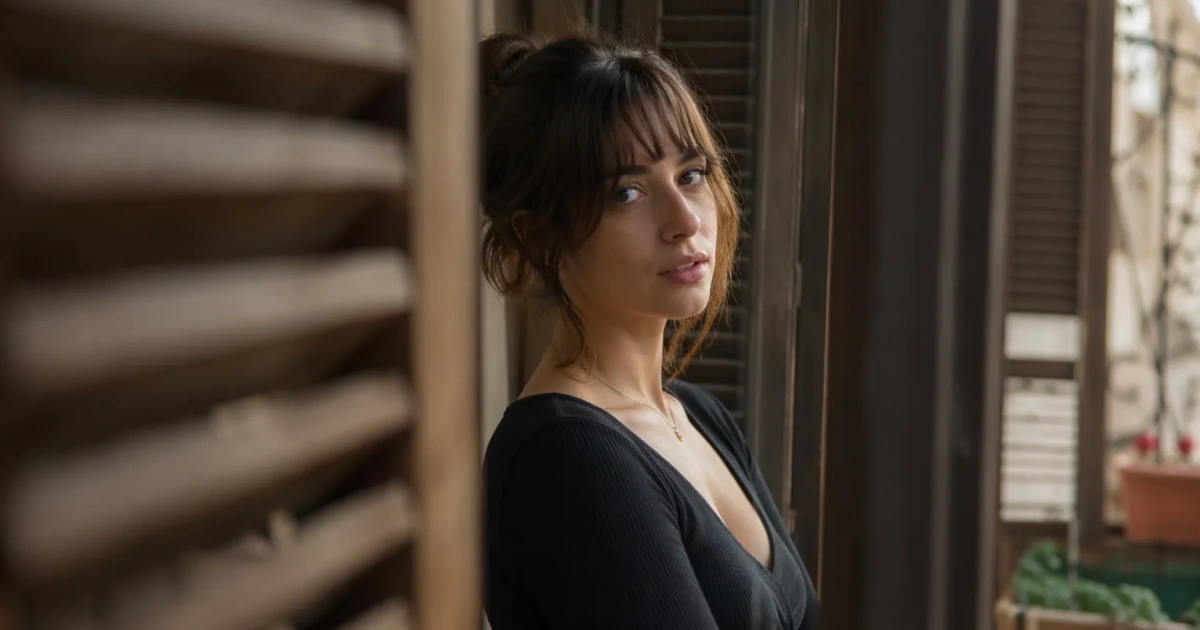
 Contenidos
Quick Answer
If you just want the short version:
👉 GPT Image 2 is more consistent, more realistic, and easier to control
👉 Nano2 is faster and decent, but less reliable for high-quality output
But the difference isn’t just “better vs worse.”
It’s about what kind of images you’re trying to create.
What We Tested
To keep this fair, we tested both models across the same scenarios:
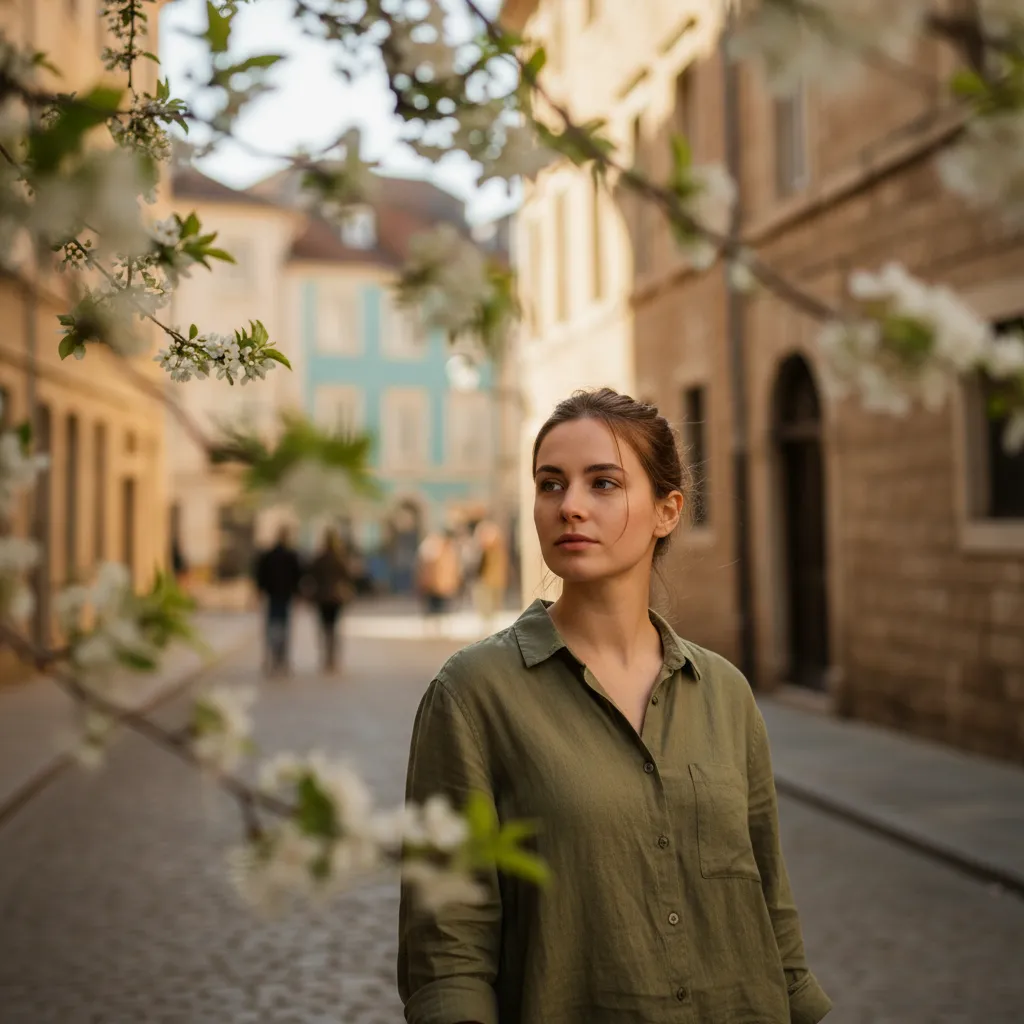
- Lifestyle half-body scenes
- Product-style images
- Street / candid shots
- Minimal interior compositions
Using similar structured prompts (lighting, camera, composition).
1. Realism & Photography Feel
GPT Image 2
- More natural lighting
- Better skin texture (less plastic)
- Stronger depth of field
- Images feel closer to real photography
👉 You get images that feel shot, not generated.
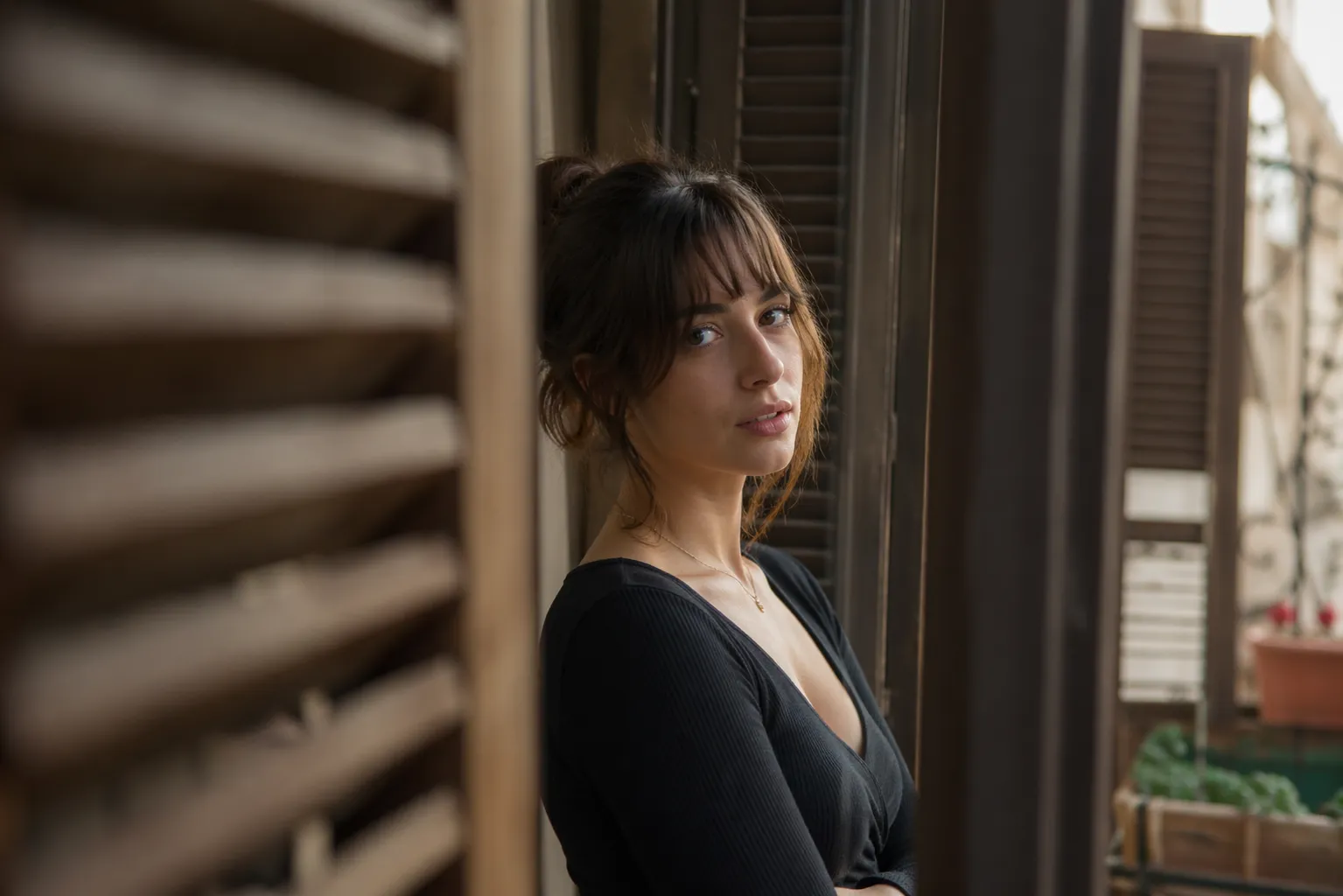
Nano2
- Tends to over-smooth skin
- Lighting can feel flat or inconsistent
- Depth is weaker (more “2D” look)
👉 Good at first glance, but breaks under closer inspection.
Verdict
👉 GPT Image 2 wins clearly on realism
2. Prompt Understanding
GPT Image 2

Handles structured prompts very well:
- Understands lighting direction
- Follows composition (off-center, layered scenes)
- Responds to camera terms (35mm, depth of field)
You don’t need to over-engineer prompts.
Nano2
- Sometimes ignores composition details
- Less stable with complex prompts
- Requires more trial and error
Verdict
👉 GPT Image 2 is easier to control
3. Composition & Depth
This is where the gap becomes obvious.
GPT Image 2
- Handles foreground / midground / background properly
- Better use of negative space
- More natural framing
Nano2
- More centered compositions
- Less layering
- Feels “generated” rather than composed
Verdict
👉 GPT Image 2 produces more professional-looking compositions
4. Speed & Iteration
GPT Image 2
- Slightly slower in some cases
- But higher success rate per generation
Nano2
- Faster
- Good for quick drafts or idea exploration
Verdict
👉 Nano2 wins on speed, GPT Image 2 wins on efficiency
5. Use Case Differences
When GPT Image 2 Makes More Sense
- Marketing visuals
- Product images
- Brand-level content
- Anything user-facing
👉 Basically: when quality matters
When Nano2 Is Still Useful
- Quick ideation
- Rough drafts
- Testing visual directions
👉 Basically: when speed matters more than polish
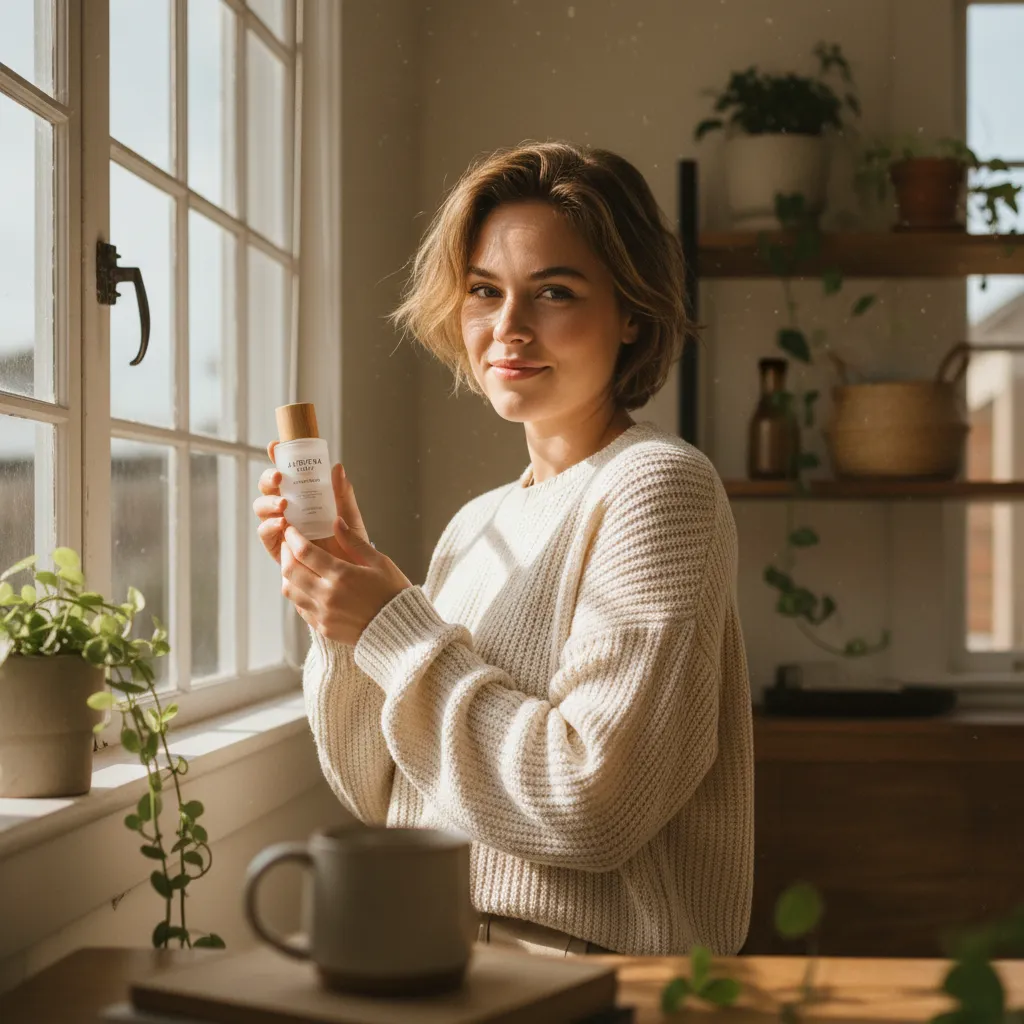
Example Prompt Comparison
Prompt:
A half-body shot of a person sitting near a window, soft daylight from the side, relaxed posture, foreground slightly blurred, layered composition, 50mm lens, shallow depth of field
GPT Image 2 Result

- Clear light direction
- Natural depth
- Realistic skin + environment
- Feels like a real photo
Nano2 Result
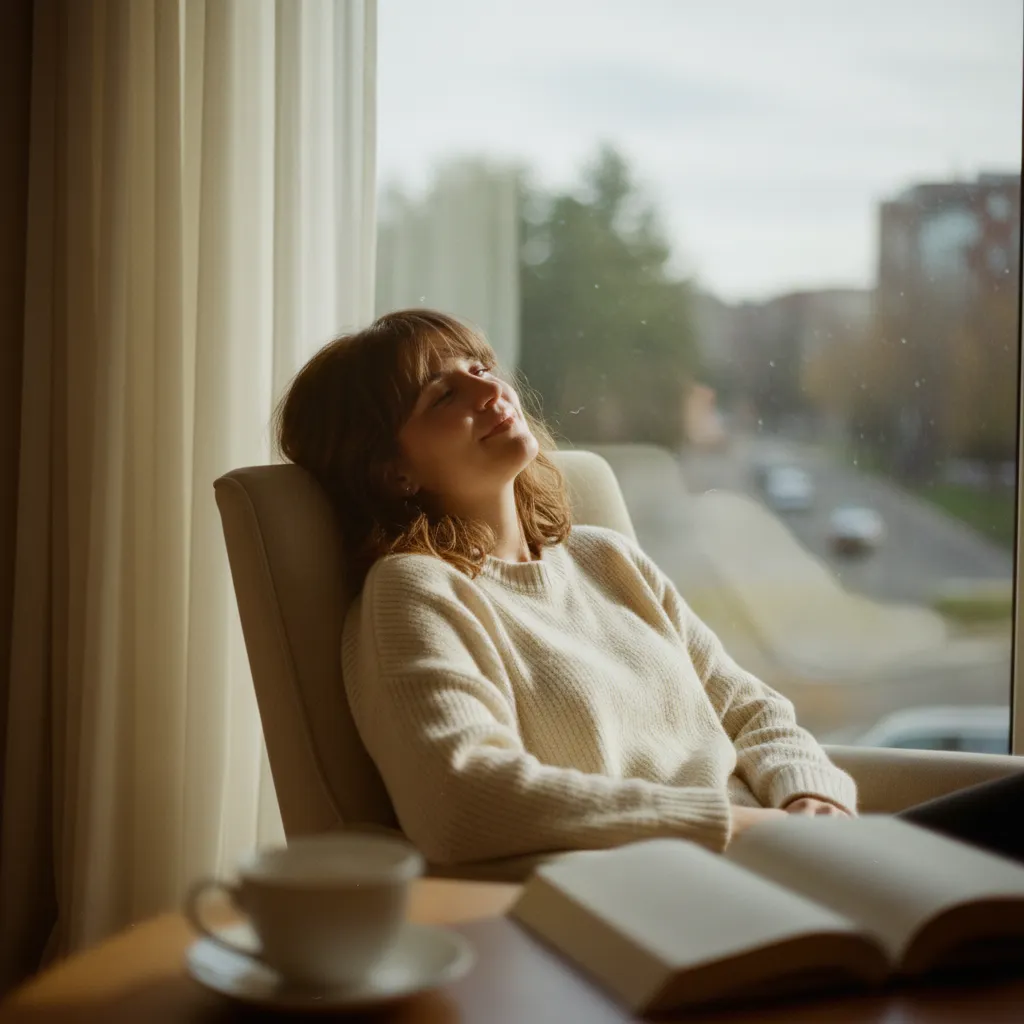
- Lighting less defined
- Background flatter
- Composition more centered
- Slight “AI look”
Final Verdict
If you had to choose one:
👉 GPT Image 2 is the better model for real-world use
Not because it’s flashier —
but because it’s more predictable and more usable.
What Actually Matters (Beyond Models)
Even with GPT Image 2, bad prompts still give bad results.
The real difference comes from:
- lighting
- composition
- camera language
- scene realism
Where Viyou AI Fits In
Tools like viyou ai make this more practical:
- Generate base images with strong models
- Refine results with image-to-image
- Keep consistency across outputs
👉 The model matters, but workflow matters more.
Final Thought
In 2026, the question isn’t:
“Which model is best?”
It’s:
“Which model gives you usable results faster?”
Right now, for most real scenarios:
👉 GPT Image 2 is ahead.